Design leadership in practice.
HOW I LEAD
Design as Strategic Partnership
Design's role is to work from the beginning of a new product concept through to launch, shaping what the vision could be by turning ideas into reality. I do this best in spaces where the product can reshape the way people work.
Product vision
When Google Health was established, we had to define our own territory, from the products we'd build, to the audiences we'd serve, to the metrics that would matter. In a clinical and enterprise contexts that means moving beyond engagement metrics toward measures like Quality-adjusted Life Years, lives saved, and time from image to diagnosis.
Early in that process, our portfolio was too anchored to mainstream US providers, like PCPs and optometrists. When we looked at where AI-powered diagnostics could have the greatest impact, the real users were nurses in Thailand and India. That insight reshaped our product direction and became the lens through which we evaluated new opportunities.
Developing partnerships
Strategic partnerships begin with a shared vision of what's possible. I partner with product management to develop and pitch new product concepts to external organizations, translating early-stage design thinking into compelling cases for collaboration.
One example: working with PM to develop and pitch the maternal health ultrasound concept to the Gates Foundation. That pitch resulted in a partnership and funding that made the Anura project possible and proved the utility of novice ultrasound.
Design-to-launch pathway
Moving Google Health from a research organization to a product organization required a shift in how the whole team thought about deployment. Our success in building Health AI made launches more visible and an increasing number of partnerships demanded a closer eye on design system coherence.
I initiated a design-to-launch dashboard that created shared visibility across the team, and introduced earlier design system reviews to ensure new concepts were accommodated before they reached launch. The result was a more coherent product portfolio and fewer surprises at the end of the pipeline.
DEVELOPING LEADERS
Developing Designers & Researchers as Leaders
Designers and Researchers are often solo practitioners in the room with engineers, product managers, and program leads. They're expected to represent both their craft and the entire discipline. I develop design, research, and leadership skills in tandem, so that UXers are confident in their skills.
That goal shapes how I manage, including how I assign projects, structure teams, hold 1:1’s, and create the conditions for people to grow into leaders with their colleagues.
Frameworks & Methods
Leadership development is a practice. Here are some of the tools that shape my work.
1:1's PACT
A framework for 1:1s. Preparation, Attention, Curiosity, and Takeaways reorient weekly conversations away from status updates and toward the trust and mutual purpose that move people forward.

Project & Principles
A 90-minute solo or group session for teams and individuals in transition. Helps designers stack-rank their work interests, articulate what they value, and bring that clarity into conversation with their manager.

Team Kickoffs
A structured kickoff process that creates shared responsibility as work begins. Establishes sprint cadence, reduces meeting overhead, and builds the cross-functional understanding teams need to make good decisions together.
Strengths-based Development
Anna's story
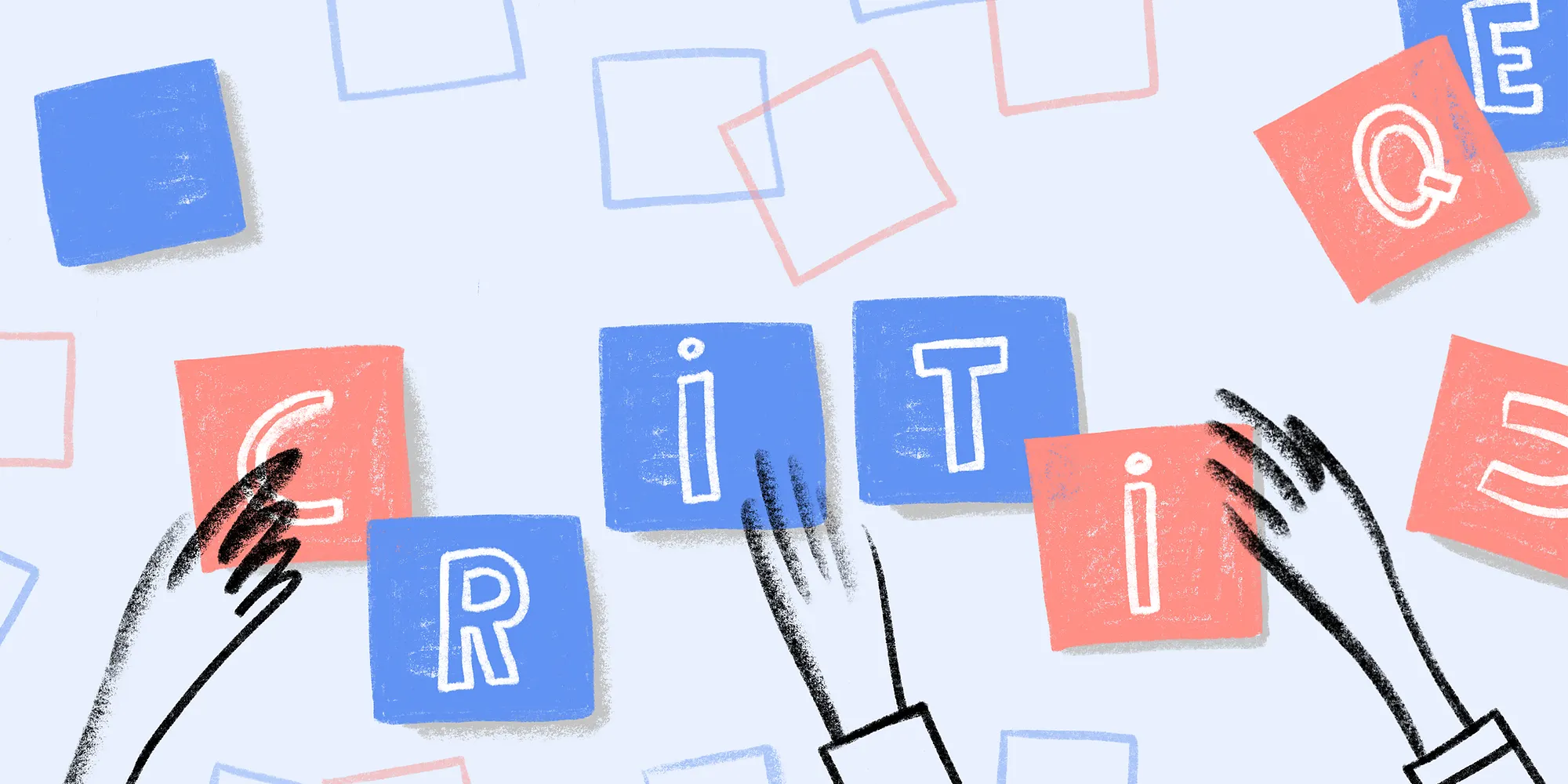
Strengths-based development starts with seeing what's already there and then building from it. Anna Iurchenko came to my team as a skilled facilitator. And I asked her to facilitate our team’s critique sessions so I could focus on giving feedback rather than running the room.
Through our 1:1’s I learned that she also wanted to be a stronger writer and more confident presenter. Those goals, combined with her developing interest in what make for better feedback feedback sessions, was a skillset worth developing.
We mapped what she'd need: stronger writing, and confidence presenting to rooms she hadn't been in before, and found workshops for both. She went on to run critique-development workshops inside and outside Google, publish on the Google Design blog, and be published in Fast Company.
Anna joined my team with strengths worth building on. What we built together made her and the team better. That's the outcome I'm working toward with every person I manage.
FEATURED PROJECTS
SERVICE DESIGN
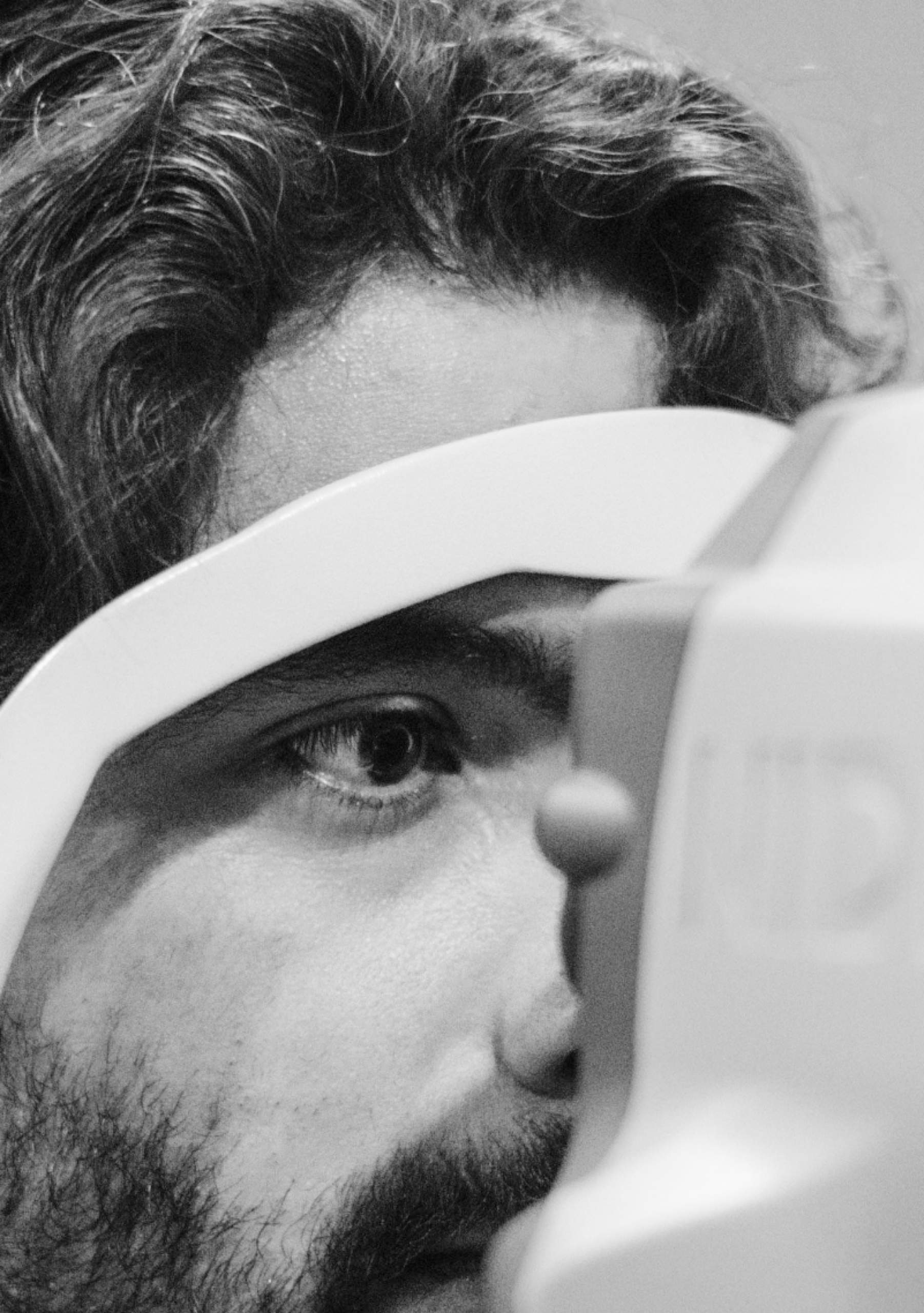
ARDA:
Automated Retinal Disease Assessment
10 weeks to 10 minutes: Orchestrating a new clinical workflow to scale high-impact AI diagnostics and eliminate critical screening backlogs.
EARLY-STAGE PRODUCT DEVELOPMENT
Anura:
AI-Assisted Ultrasound
Bridging the maternal mortality gap by transforming complex ultrasound diagnostics into an accessible, offline-first tool for community health workers globally.

CONSUMER HEALTH AT SCALE
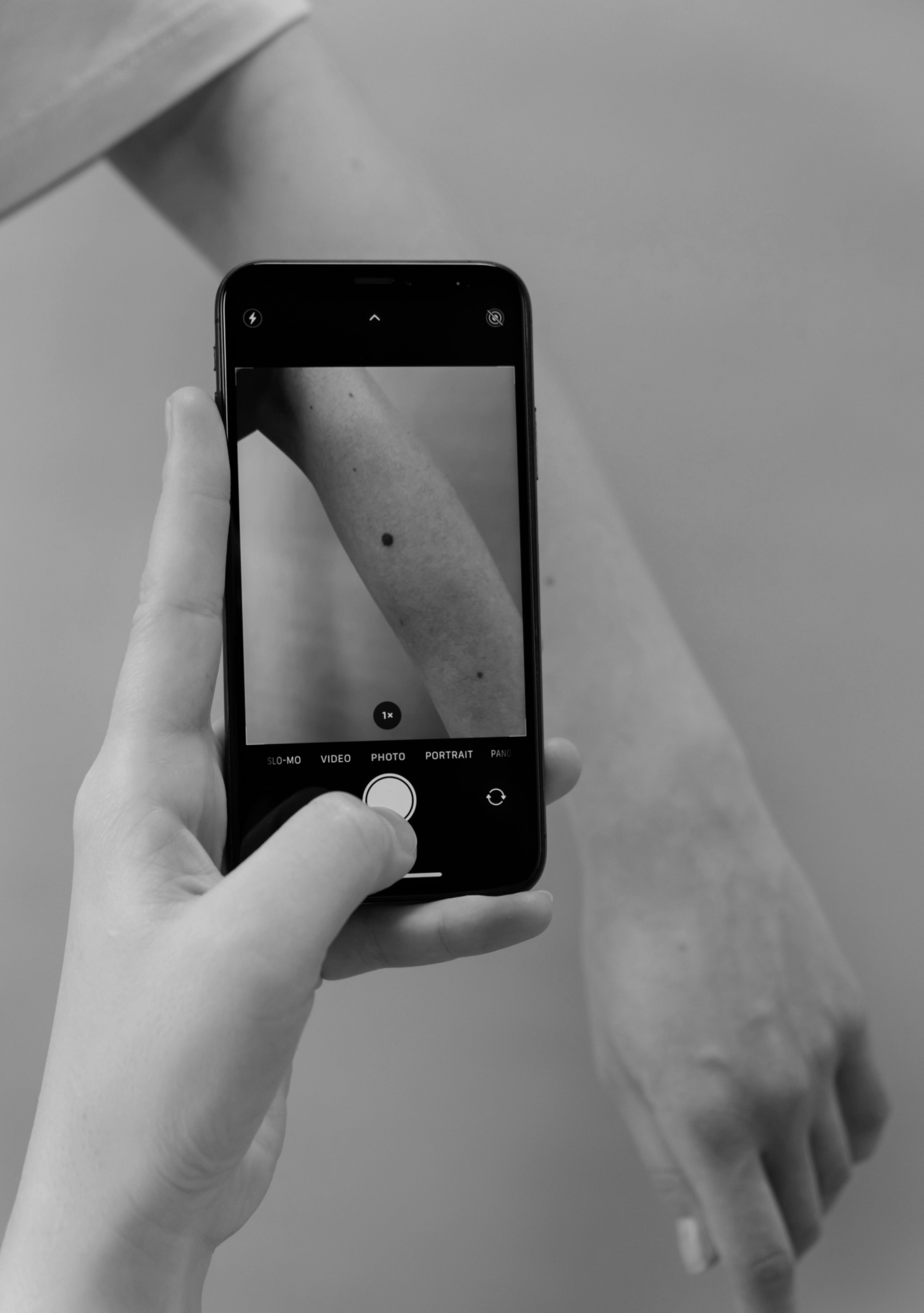
DermAssist on Google Lens
Beyond the search box: Transforming 10 billion skin-related queries into actionable medical insights through a user-centered, clinically-tested consumer AI experience.
AI INTEGRATION
Mammosense UK
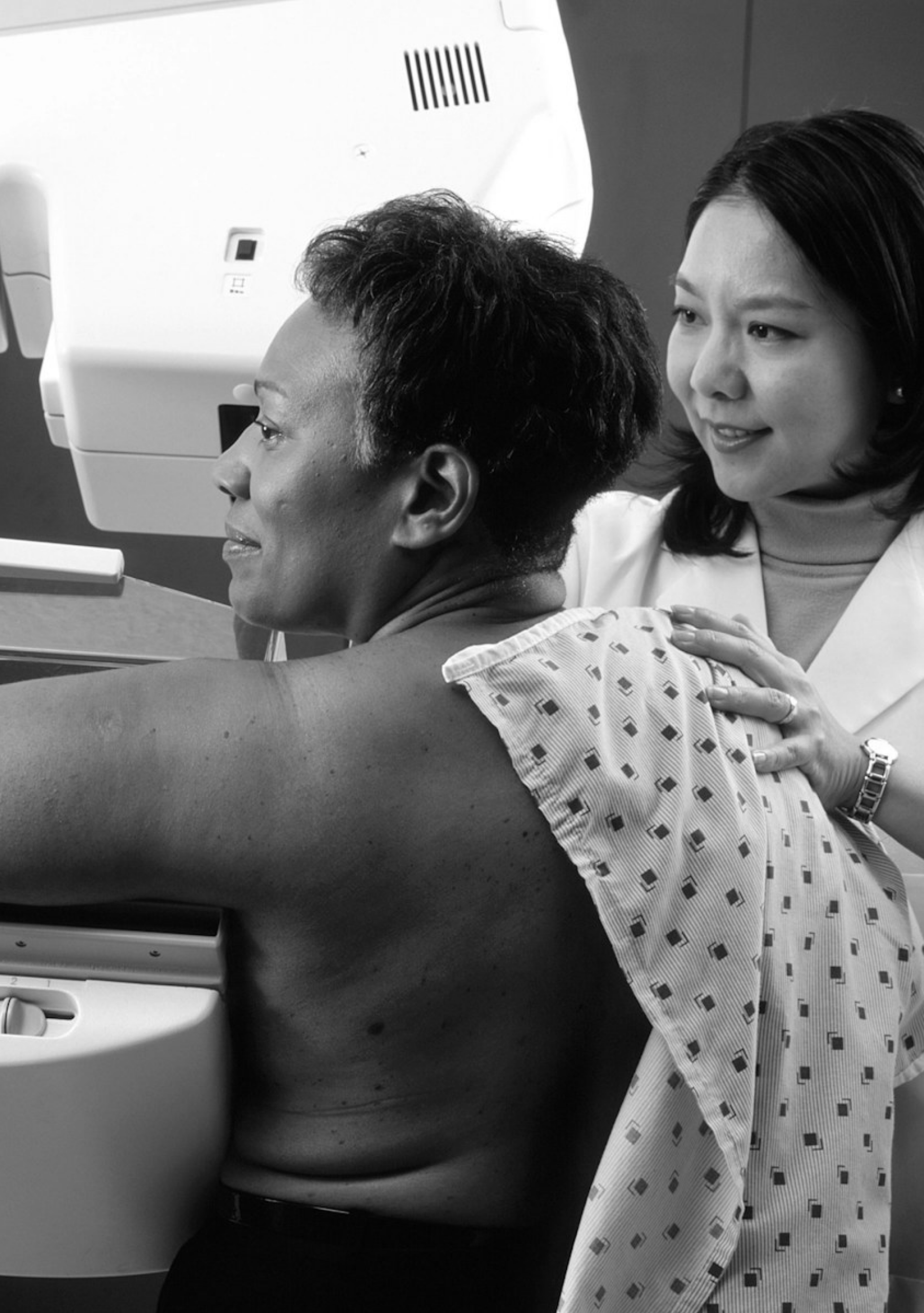
Closing the clinical-AI divide: Integrating high-accuracy diagnostic tools into legacy NHS workflows to accelerate cancer detection and reduce radiologist workloads by 32%.
If we dare,
AI changes lives
for the better.
Let's build that future.